It’s September, and the kids are returning to school. This is great if you’re a webcartoonist because that means they’re returning to reading webcomics from school.
The content you are trying to access is only available to members.

Today’s show is brought to you by Dreamhost! It’s the first step in owning and controlling your own work. Check out the special offers at dreamhost.com/comiclab. Once again, Dave Kellett returns from Comic-Con International with a full report featuring actual numbers from his time spent exhibiting at his booth. He’ll share what worked, what didn’t, and what he has planned for next year. Next, it’s the COMICLAB SOCIAL MEDIA CHALLENGE! After Brad challenges Dave to remove the social-media apps from his phone and charge the phone on the other side of the room at bedtime, the guys decide to make this a group experiment. Do YOU accept the challenge?
Summary
Dave reflects on the success of his booths, strategies for engaging with fans, and the importance of presentation. The conversation shifts to a new social media challenge, where they explore the impact of social media on productivity and creativity. They encourage listeners to join them in reducing social media usage and share their experiences. The episode concludes with a focus on future plans and the importance of community engagement.
Takeaways
Comic-Con was a success for both hosts, with increased sales and engagement.
Preparation and presentation are key to a successful Comic-Con booth.
The hosts discuss the importance of original art and its display.
Social media can be a significant time sink, impacting productivity.
The hosts challenge each other to reduce social media usage for a week.
Engaging with the Comic Lab community is important for accountability.
The hosts reflect on their experiences and lessons learned from Comic-Con.
They emphasize the importance of personal connections at conventions.
The episode encourages listeners to take control of their social media habits.
Before you launch your Kickstarter — whether it’s your first one or your tenth one — there’s a few things you should make sure you take a few things into consideration…
The content you are trying to access is only available to members.
Webcartoonists have discovered Substack, and they’re flocking to the platform. After all, it’s one of the very few platforms where users are reporting measurable results. But setting up a Substack account is easy. Figuring out what to publish there… isn’t.
The content you are trying to access is only available to members.
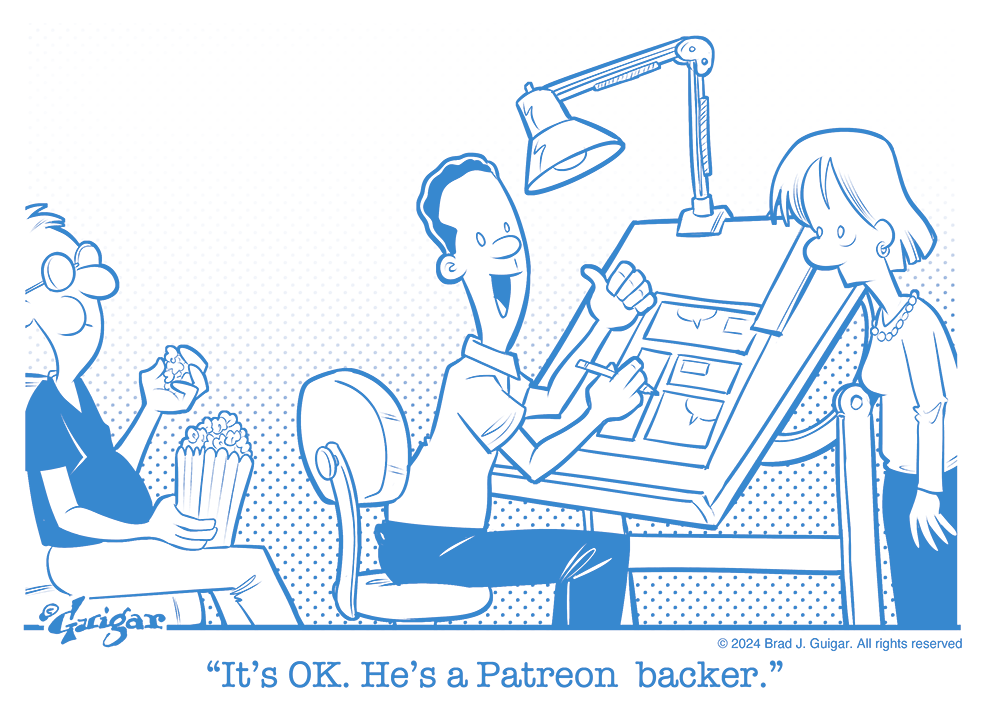
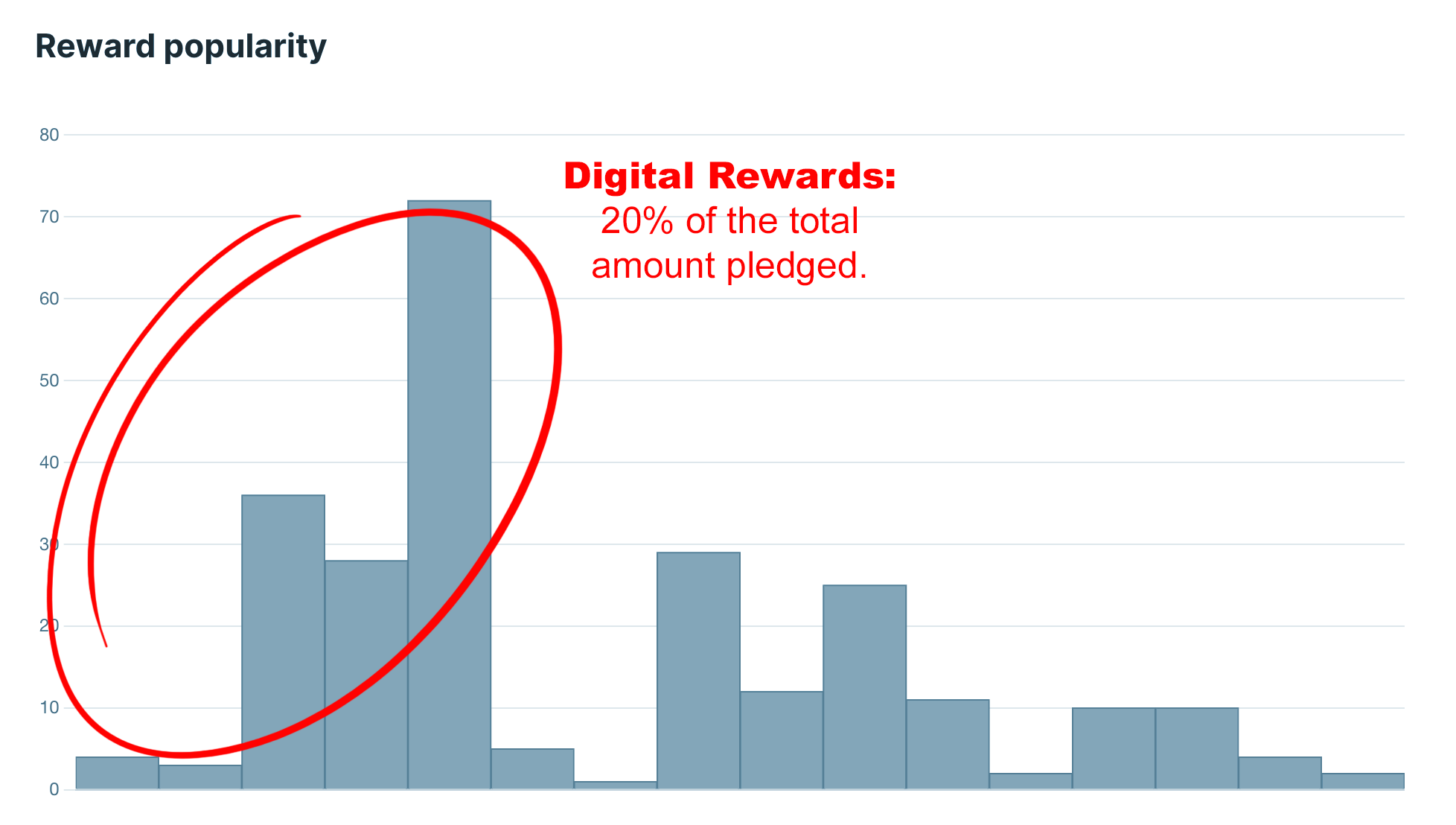
A while ago, a comics artist decided to remove the paywall for their Patreon campaign, asking instead that people view the previously exclusive content and support the artist if they like what they see. Predictably, this had disastrous results.
The content you are trying to access is only available to members.
This episode is sponsored by Dreamhost — your first step in owning and controlling your own work! Visit them at https://www.dreamhost.com/comiclab
This week, Brad and Dave are joined by Greg and Karen Evans, who are celebrating the 40th anniversary of their syndicated comic strip, Luann. Karen — then, a toddler — was the inspiration for the strip when Greg launched it in 1985. Twenty-seven years later, Karen joined her father to co-write the comic. They’ll discuss that journey, their collaborative process, the significance of reader interaction, and more.
I started teaching at the university level in 2014, and I’ve noticed something alarming. We’ve been giving young people the wrong idea about education — worse yet, it’s something I’d been doing with my own children!
The content you are trying to access is only available to members.
“Shadowbanning” is one of those terms that gets thrown around a lot, especially in adult-content spaces, but it’s often misunderstood. It can feel like a catch-all explanation for when your social media reach tanks or your posts stop getting likes. But to tackle the issue effectively, we need to separate the myth from the reality.
What is shadowbanning?
Shadowbanning is when a platform limits the visibility of your content without notifying you directly. Your account isn’t banned in the traditional sense — you can still post, comment, and interact — but fewer people see your content, especially new followers or those outside your immediate circle. In most cases, it’s a form of content suppression triggered by algorithmic moderation, keyword filters, or manual reports.
Are you really shadowbanned?
Before assuming the worst, it’s important to consider other factors that affect engagement:
Algorithm changes
Seasonal fluctuations (summer is slow for everyone)
Burnout in your audience
Boring content (harsh but true)
To investigate a shadow ban, try these steps:
Search test: Log out or use an incognito window. Search your username or hashtags you’ve used. If you’re not showing up, that’s a red flag.
Check analytics: A sudden drop in reach (not just likes) may suggest content suppression.
Compare platforms: If you’re suddenly struggling on one site but not others, you may be dealing with moderation quirks specific to that platform.
Why NSFW creators are especially vulnerable
Platforms like Instagram, TikTok, and YouTube often flag content that includes nudity, “suggestive” poses, or even certain words (like “OnlyFans,” “kink,” or “Patreon”). You don’t need to post explicit content to be caught in the dragnet — being tangentially associated with adult spaces can be enough.
Also worth noting: platforms aren’t interested in transparency, especially when adult content is involved. Their moderation tools often err on the side of restriction to avoid backlash from advertisers or scrutiny from payment processors.
What can you do about it?
Unfortunately, there’s no silver bullet — but there are strategies that help:
Diversify your platforms. Don’t rely on one site to build or reach your audience. Use email newsletters, paid platforms (like Patreon), and NSFW-friendly alternatives like Bluesky, Cohost, or Newgrounds.
Play the game (sometimes). Use “soft” versions of risky words (e.g. “spicy site” instead of “OnlyFans”) or break them up with symbols. But don’t let censorship shape your entire brand.
Build your own infrastructure. A personal website with its own mailing list is still the most powerful tool you can own. No algorithm can throttle what you send directly to your fans.
Speak up. Sometimes shadowbanning isn’t just about the algorithm — it’s a systemic bias. When platforms silence adult creators, especially queer and marginalized artists, it’s worth raising awareness, pushing for transparency, and organizing with others.
Shadowbanning is real, but it’s also a murky, inconsistent process that’s often invisible. Instead of obsessing over algorithms, focus on what you can control: diversify, decentralize, and own your connection to your audience.
Today, YOU are the star of the show. We asked ComicLab listeners to help us celebrate our 400th episode by calling in with favorite memories from our seven years of podcasting. And — WOW! — did you ever deliver! Today’s show will put a smile on your face for the rest of the day.
ComicLab has been cranking out episodes about making comics — and making a living from comics — every week since January 2018. (Twice a week, if you count the Patreon-exclusive Pro Tips episodes!) A show that set out to share shop talk, advice, and friendship has become a weekly favorite of cartoonists, comic creators, and people who simply enjoy hearing people share their passion for comics.