Writing better dialogue for comics
Here are five practical, comic-specific tips to level up your dialogue.
1. Write for the Balloon, Not the Page
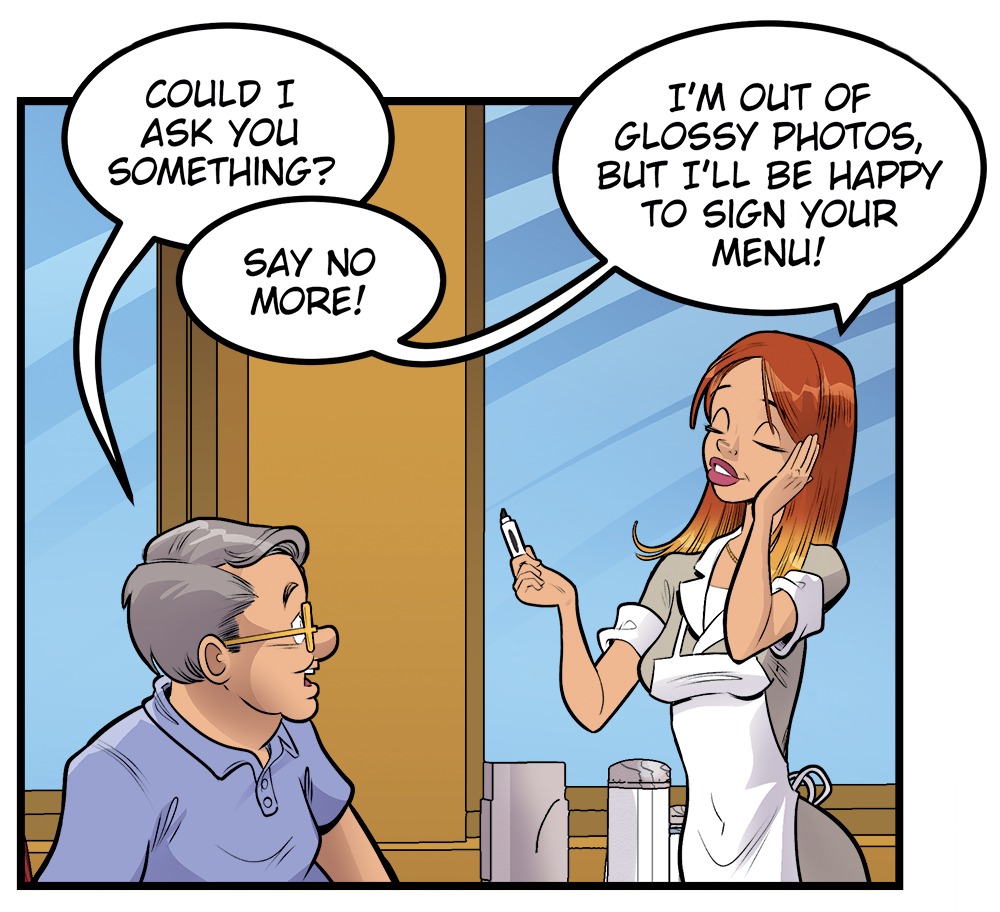
Comic dialogue isn’t prose — it’s real estate.
- Keep sentences tight
- Break long thoughts into multiple balloons for pacing
- Let the art carry what doesn’t need to be said
If a character can show it, cut the words.
2. Give Every Character a Distinct Voice

A great goal is to aim for is writing so that If you can tell who’s speaking if you remove the images.
- Vocabulary (formal vs casual)
- Rhythm (short bursts vs rambling)
- Attitude (sarcastic, earnest, oblivious, horny-as-hell)
3. Use Dialogue to Control Timing
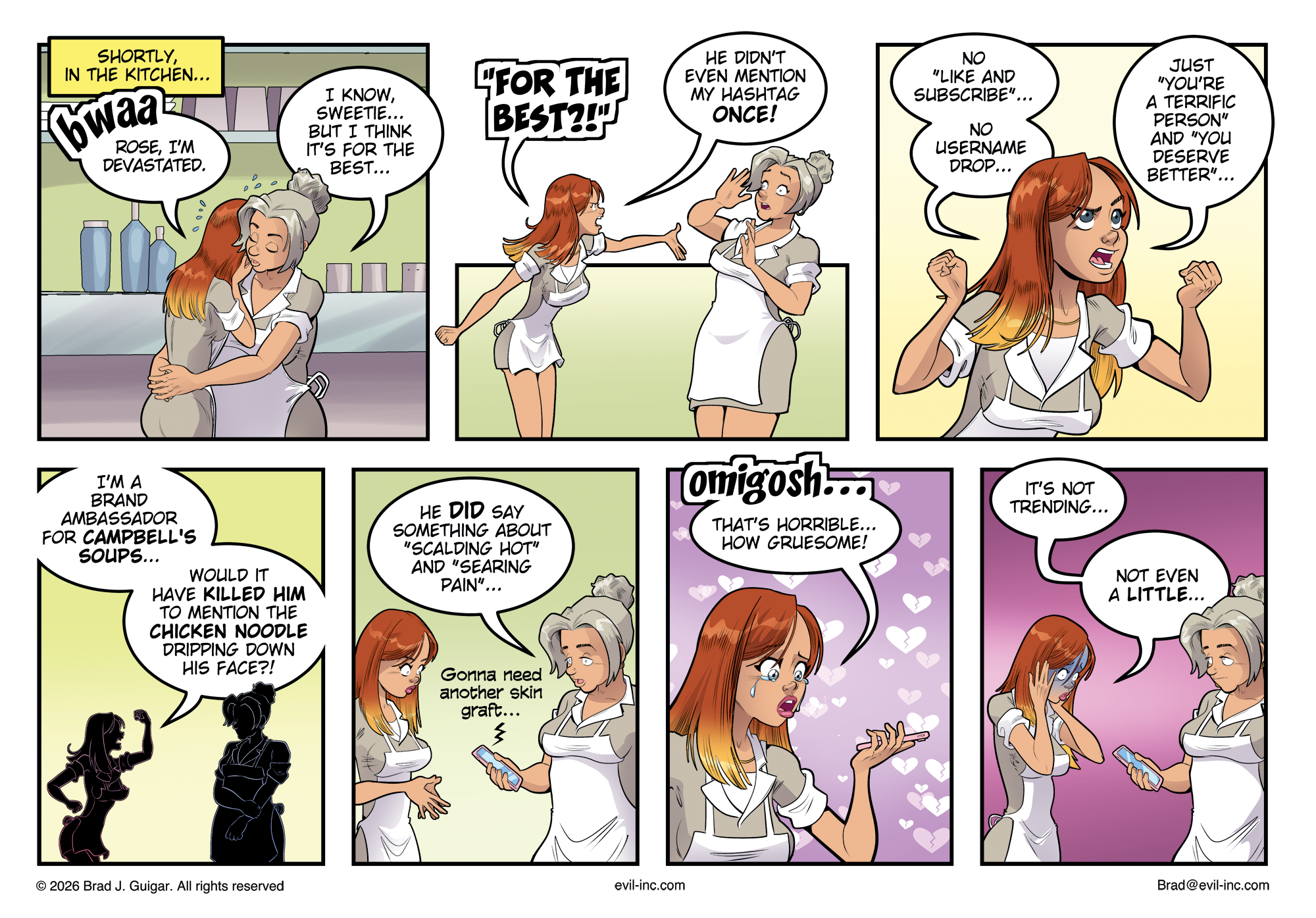
Dialogue is your pacing engine.
- Short lines = speed, tension, comedy beats
- Long lines = slowing down, explanation, awkwardness
- A single-word balloon can land a punchline
Think of each balloon as a story beat.
4. Cut What the Reader Already Knows
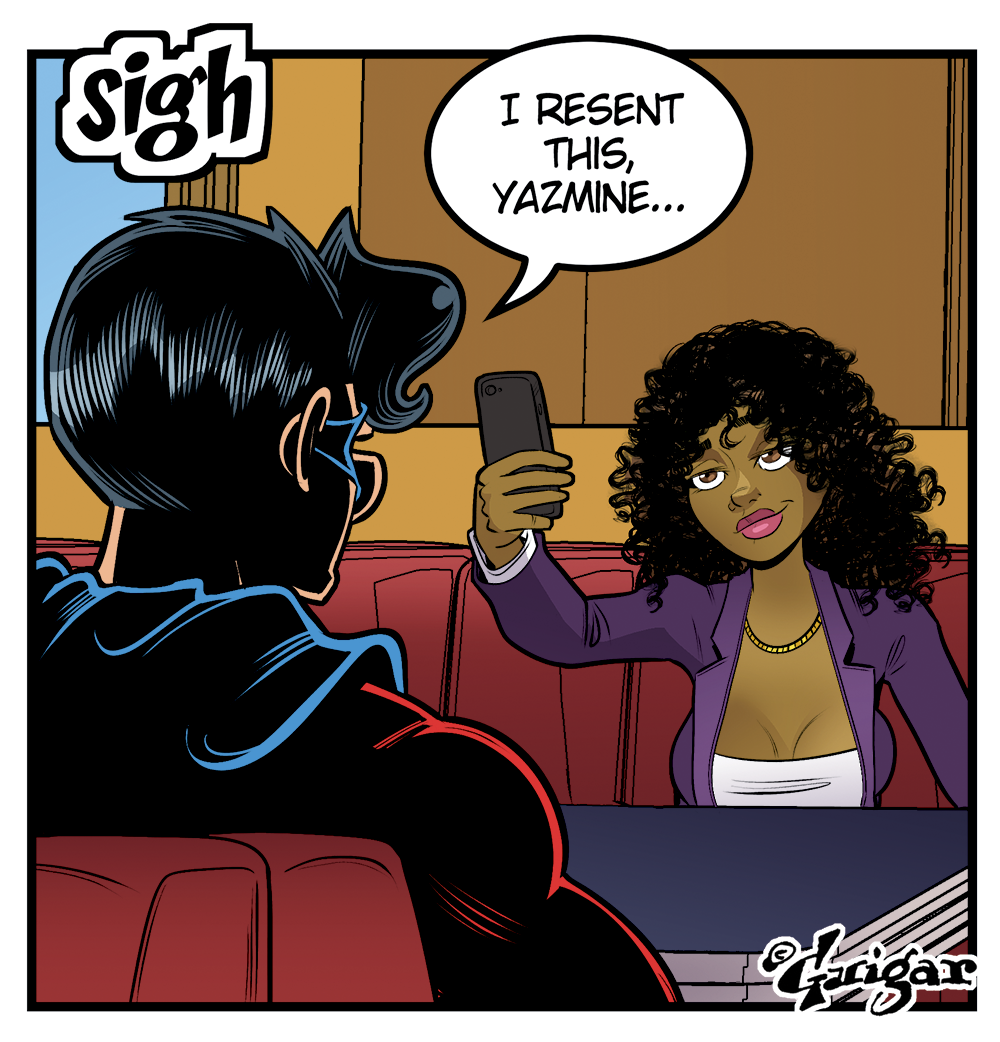
Avoid “on-the-nose” dialogue.
Instead of:
“I’m angry because you betrayed me!”
Try:
“Wow. That’s how we’re playing this?”
Trust your reader. Subtext is sexier.
5. Let Characters Talk Around the Point
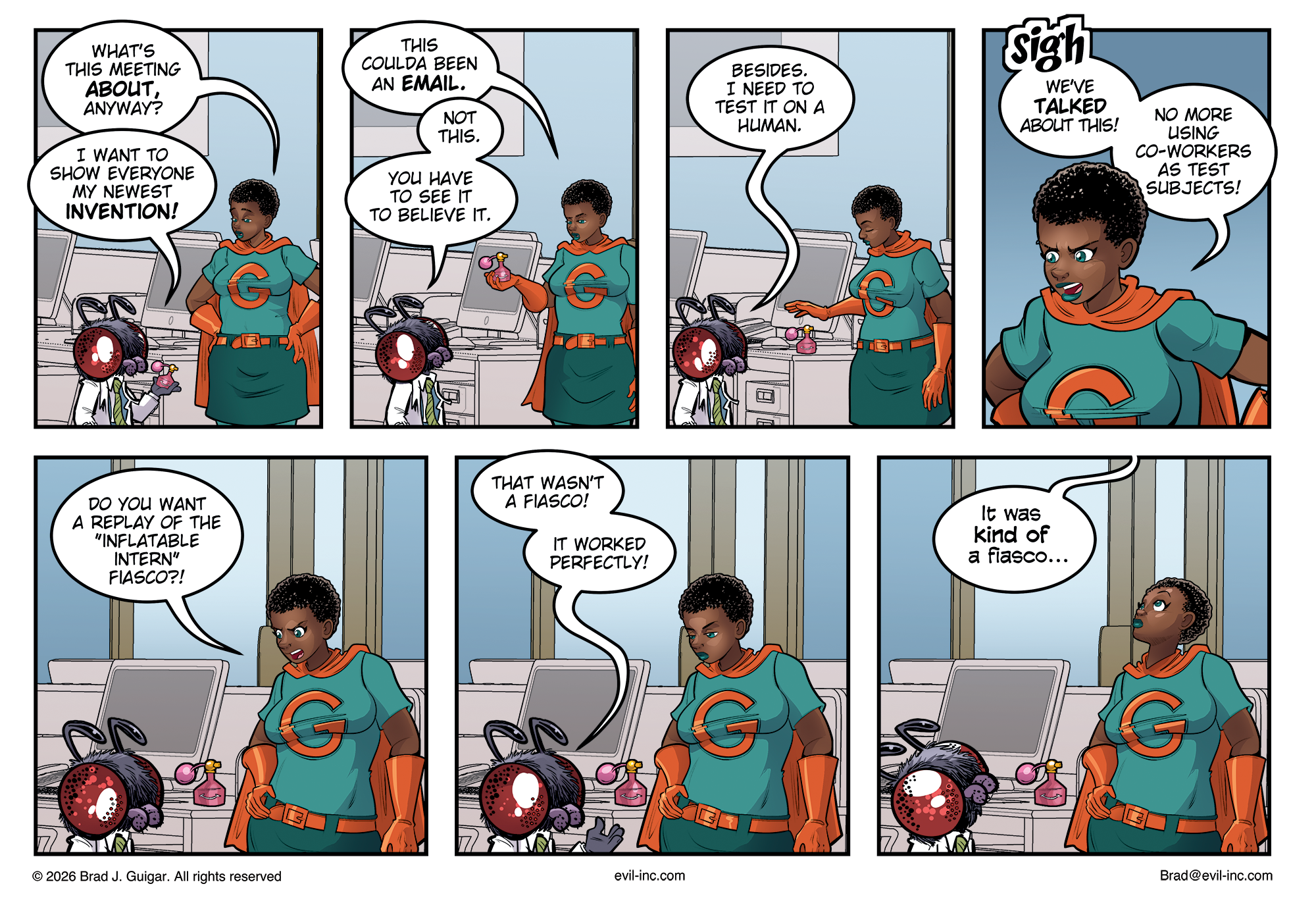
Great dialogue isn’t about what’s said — it’s about what’s avoided.
- Deflection creates tension
- Misunderstanding creates comedy
- Subtext creates depth
Let the story live between the lines.
Bonus: Innuendo Often Beats Explicit
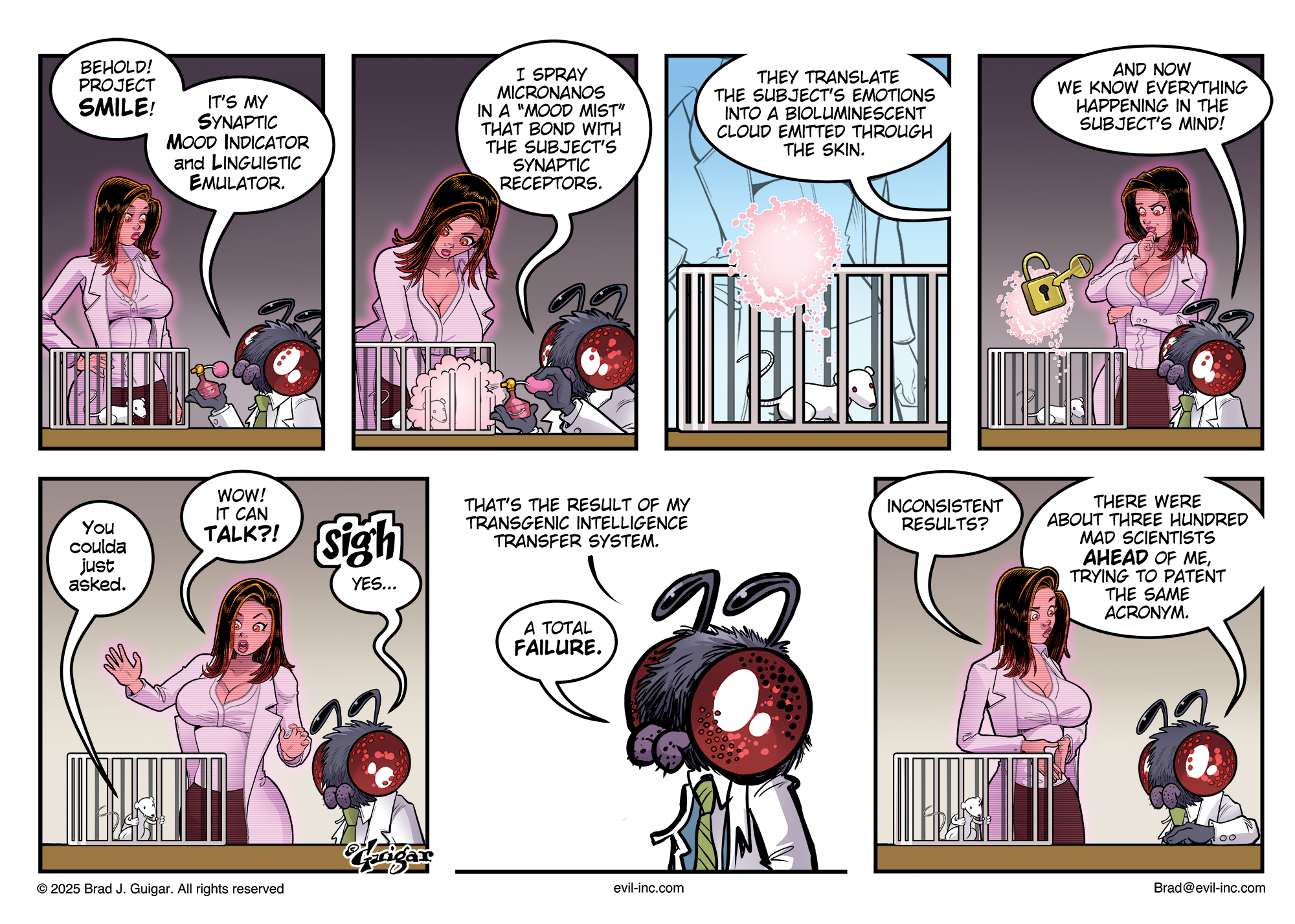
You already know this instinctively — but it’s worth sharpening.
- A clever double meaning lands harder than a blunt statement
- Let the reader “get it” half a second after reading
That delayed realization? That’s tension-and-release at its finest!



Recent comments